All the news

Colorectal liver metastases: a mechanism that weakens T cells, described in Science Advances

05 November 2026
Research
Colorectal liver metastases: a mechanism that weakens T cells, described in Science Advances

A study published in Science Advances describes how some colorectal liver metastases can weaken T cells, whose functions include helping to eliminate cancer cells.

The research was coordinated by IRCCS San Raffaele Hospital and led by Dr Giovanni Sitia, Head of the Experimental Hepatology Unit. Collaborators included Prof. Chiara Bonini, Full Professor of Haematology at Vita-Salute San Raffaele University and Scientific Director of IRCCS San Raffaele Hospital, Prof. Luca Guidotti, Full Professor of Medicine and Surgery at UniSR and Deputy Scientific Director of the same hospital, and Prof. Antonio Esposito, Full Professor of Radiology at UniSR and Deputy Scientific Director of the hospital.

When colorectal cancer spreads, the liver is one of the most common sites of metastasis, and in many cases these metastases respond poorly to T-cell-based immunotherapies. To investigate this resistance, the researchers studied tumour samples from 44 patients, along with organoids (three-dimensional miniature tumour models grown in the laboratory) derived from the metastases of another 15 patients. A subset of the metastases turned out to produce high levels of type I interferons, proteins that normally help protect the body against infections and tumours.

Type I interferons: when a defence signal weakens T cells

In earlier preclinical studies, the group showed that interferons given as drugs can protect the liver against the formation of metastases, especially in the early stages of tumour spread.

With this new research, we discovered that once the metastases have developed, persistent production of the same molecules can instead contribute to weakening the lymphocytes that should eliminate them,

Dr Sitia explains.

The “weak point” is IFNAR1, one of the components of the receptor through which lymphocytes pick up the interferon signal. Prolonged exposure to these molecules causes lymphocytes to lose IFNAR1, making it harder for them to multiply, survive and fight the tumour.

Protecting IFNAR1 to strengthen immunotherapies

In preclinical models, the team prevented the loss of the receptor by pharmacological and genetic means: T cells that kept IFNAR1 on their surface survived better and showed greater antitumour activity. Cells protected in this way eliminated established liver metastases.

CAR-T cells, T cells engineered to recognise specific tumour targets, also gave encouraging results when protected in the same way: they showed a greater ability to survive within the metastases and curb their growth. The clearest benefits were seen in models of metastases that produced higher levels of interferons.

According to Dr Sitia, the finding points to a possible future direction: more personalised immunotherapies, aimed at the patients most likely to benefit, based on the biological features of their tumour.

We are still at a preclinical stage, but we have identified a promising avenue that deserves further investigation before it can lead to a potential application in patients,

he notes.

This study is a concrete example of how understanding the biological mechanisms behind tumour progression can open up new therapeutic prospects,

Prof. Bonini comments. In her view, making T cells more resistant to the mechanisms the tumour uses to try to neutralise them is an important step towards more effective immunotherapies.

The work brought together clinical and experimental expertise from IRCCS San Raffaele Hospital and UniSR, in collaboration with IRB Barcelona and the Erasmus MC Cancer Institute in Rotterdam, and with support from the AIRC Foundation for Cancer Research.

Read the full study here

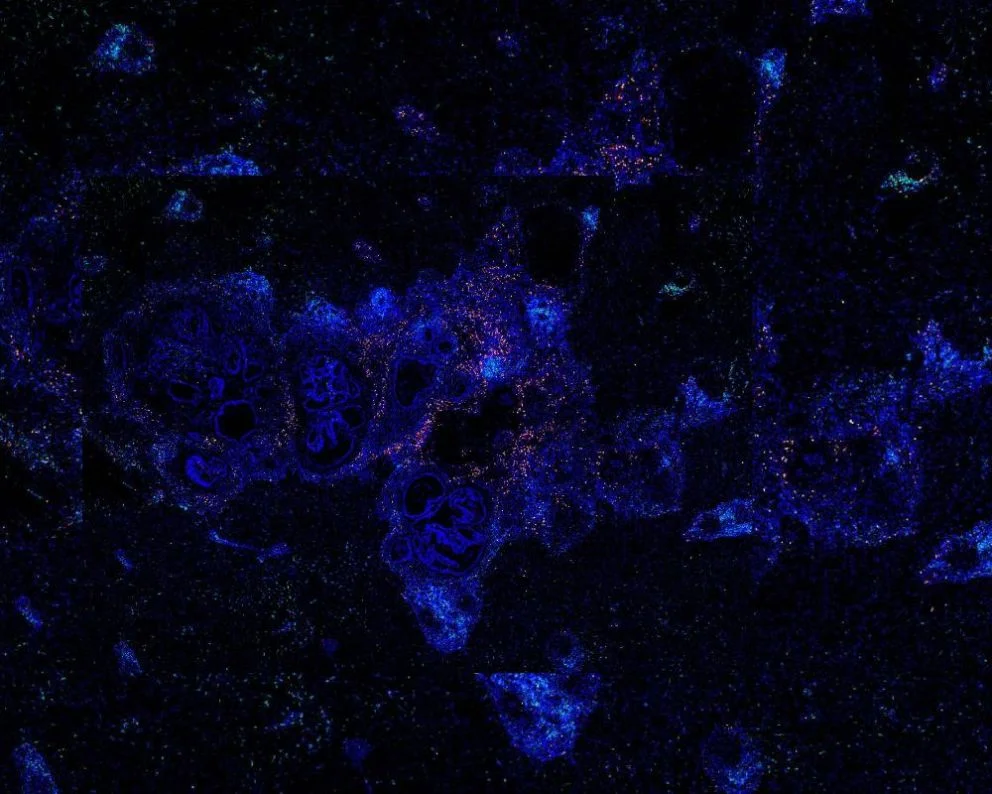
Image Cover: multiplex immunofluorescence image of a liver metastasis of colorectal carcinoma. Credits: Dr. Chiara Balestrieri and Dr. Giovanni Sitia – IRCCS Ospedale San Raffaele, Milano 

Share news

You might be interested in

Luigi Naldini elected to the US National Academy of Medicine
The University19 October 2026

Luigi Naldini elected to the US National Academy of Medicine

Wiskott-Aldrich syndrome: a new therapy corrects the genetic defect at the root of the disease
Research24 September 2026

Wiskott-Aldrich syndrome: a new therapy corrects the genetic defect at the root of the disease

JOIN4ATMP: the new video on ATMP development in Europe
The University16 September 2026

JOIN4ATMP: the new video on ATMP development in Europe

Primary CNS Lymphoma: Trial Confirms Optimal Treatment Strategy
Research15 September 2026

Primary CNS Lymphoma: Trial Confirms Optimal Treatment Strategy