All the news

JOIN4ATMP: the new video on ATMP development in Europe

16 September 2026
The University
JOIN4ATMP: the new video on ATMP development in Europe

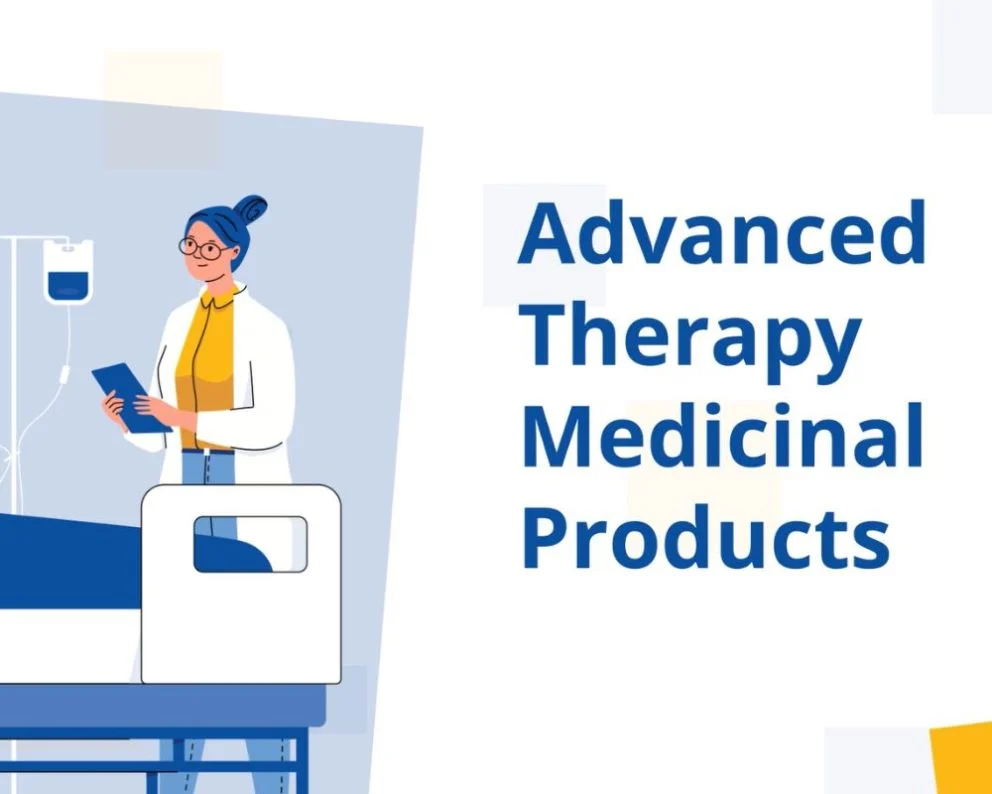
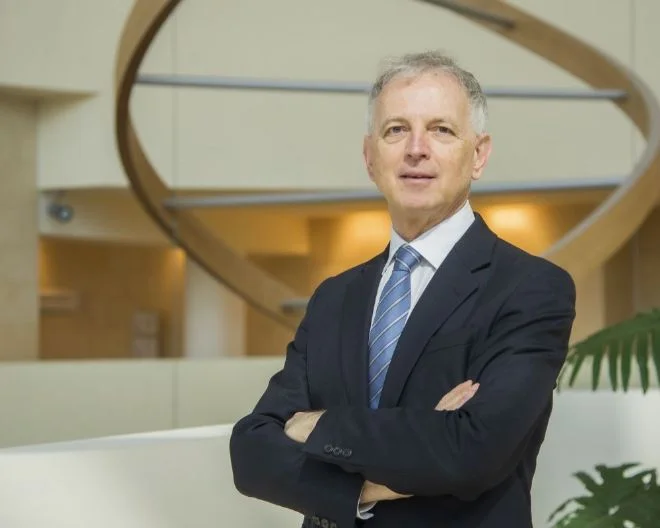
JOIN4ATMP, the European Union-funded consortium working to accelerate the development of Advanced Therapy Medicinal Products (ATMPs), has released a new animated video outlining its approach to building a better-coordinated European ATMP ecosystem. Established within EUHA, the European University Hospital Alliance, of which IRCCS Ospedale San Raffaele is a member together with Vita-Salute San Raffaele University (UniSR), the project brings together 14 partners from 9 countries, spanning academia, industry, regulators, health technology assessment bodies and patient representatives. The consortium is coordinated by Charité – Universitätsmedizin Berlin and co-coordinated by UniSR with Alessandro Aiuti, Professor of Paediatrics at UniSR, Head of the Paediatric Immunohaematology Unit at IRCCS Ospedale San Raffaele, and Deputy Director of the San Raffaele Telethon Institute for Gene Therapy (SR-Tiget), serving as co-coordinator.

Why JOIN4ATMP exists

The project grew out of consultations with more than 220 stakeholders in more than 20 European countries, including clinicians, researchers, regulators and patient representatives. Three recurring obstacles stand in the way of ATMP development: fragmented regulation, limited manufacturing capacity, and uncertainty around reimbursement for patients.

What we have consistently observed is that even when a therapy works clinically, a patient may never get access to it, because the pathway is too complex or unpredictable,

Aiuti says. He sums up the project's mission in one line:

JOIN4ATMP was created to address a simple but critical question: how do we make sure that promising ATMPs actually reach patients in need, fast, fairly and sustainably across Europe?

What the video explains

The animation traces the hurdles that slow the path of gene therapies, cell therapies and tissue-engineered products from the laboratory to the clinic. ATMPs are biological medicines built from genes, cells or tissues, and moving one from the lab to a patient's bedside typically takes longer than it does for a conventional drug.

It also points to concrete outputs the project has produced so far: a European ATMP clinical trial database that tracks which therapies move from research and testing into approved treatments, a public map of ATMP manufacturing facilities across Europe, and a new tool to help developers estimate a treatment's economic sustainability from the earliest stages. The video is also available on JOIN4ATMP's official website.

UniSR's role in the consortium

For UniSR, ATMPs represent a strategic research and innovation priority. Gene, cellular and tissue engineering therapies are opening up new perspectives for the treatment of diseases that have so far lacked effective solutions, but their impact will depend on the ability to make them safe, accessible and sustainable for European health systems. In this context, UniSR and IRCCS Ospedale San Raffaele are committed to fostering a close integration between research, clinical development and dialogue with institutions, helping to build a more coordinated and patient-oriented European advanced therapies ecosystem.

An internationally recognized expert in gene therapy, Prof, Aiuti has led research on ADA-SCID and other rare diseasesat SR-Tiget for over two decades and sits on the European Medicines Agency's Committee for Advanced Therapies. His involvement actively puts UniSR research inside the EMA's policy discussions: the consortium is already helping to speed up clinical trial evaluation and to define the criteria for recognising centres of excellence for advanced therapies.

The initiative complements another recent EU-focused effort involving UniSR. A position paper on ATMP access, developed in collaboration with the European University Hospital Alliance (EUHA) and published this year in The Lancet Regional Health – Europe,

Once the project itself ends, the JOIN4ATMP consortium will keep laying the groundwork for longer-term European cooperation: cross-border trials, coordinated manufacturing capacity and shared expertise. Its next step is translating the real-world case studies it has mapped into recommendations for regulators, HTA bodies and manufacturers. The goal is to accelerate access to ATMPs and translate the potential of scientific innovation into concrete benefits for patients across the European Union.
Share news

You might be interested in

ATMPs advanced therapies: UniSR with EUHA in The Lancet Regional Health–Europe
The University26 June 2026
ATMPs advanced therapies: UniSR with EUHA in The Lancet Regional Health–Europe
AlmaLaurea Report 2026
The University12 June 2026
AlmaLaurea Report 2026
UniSR at Milano Health Week: 4–6 June in Piazza Gae Aulenti
The University28 May 2026
UniSR at Milano Health Week: 4–6 June in Piazza Gae Aulenti
UniSR PhD Courses 2025-2026
Research22 May 2026
UniSR PhD Courses 2025-2026