UniSR designated as WHO tuberculosis research centre: what we will do together

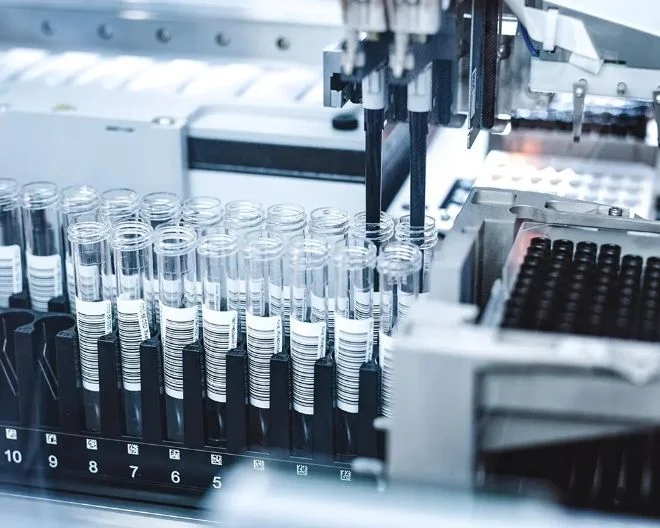
Since March 2026, the World Health Organization (WHO) has designated UniSR as the host institution of the WHO Collaborating Centre for the strengthening of laboratories for the diagnosis of tuberculosis and other multidrug-resistant diseases.
The tuberculosis research centre is directed by Dr Daniela Cirillo, a medical microbiologist and expert in the diagnosis of mycobacterial diseases, who has served for many years as a WHO consultant on tuberculosis and antimicrobial resistance, two of the most pressing global health challenges. Co-director of the Centre is Dr Andrea Cabibbe, who brings over a decade of experience in translational TB research and diagnostic implementation.
UniSR as a WHO tuberculosis research centre: what the designation means
This designation marks an important milestone in the scientific commitment our community has devoted to tuberculosis, an airborne disease caused by the bacterium Mycobacterium tuberculosis that primarily affects the respiratory system but can also involve other organs.
Dr. Cirillo says:
According to the most recent data, approximately 10 million people worldwide develop the disease each year, and of these, around 1 million sadly die. The disease is particularly widespread in low- and middle-income countries (LMICs), characterised by complex socioeconomic conditions.
The Centre's activities in collaboration with WHO
The WHO Collaborating Centre directed by Dr Cirillo will work alongside the WHO in developing and implementing strategies focused on:
- early diagnosis of both symptomatic and asymptomatic individuals
- transmission mapping of new infections
- surveillance of resistance to new TB drugs
These efforts will concentrate especially on the areas where the disease is most prevalent. «We are talking about India, Indonesia, the Philippines, China, Pakistan, countries in Eastern Europe and sub-Saharan Africa. We make our research staff and technologies available for a shared goal: to contribute to the global efforts to eliminate the disease worldwide. In addition, we work actively within Europe and Italy in collaboration with the ECDC (European Centre for Disease Prevention and Control), the Italian Ministry of Health and the Italian National Institute of Health (Istituto Superiore di Sanità).»
Training and international cooperation in the fight against tuberculosis
A WHO-affiliated tuberculosis research centre, in addition to scientific research, is also tasked with building and strengthening competencies in diagnostics, treatment and prevention at the international level.
For years, we have been providing technical and scientific support to laboratories in parts of the world where tuberculosis remains a serious public health challenge, helping to introduce innovative diagnostic and surveillance approaches adapted to local contexts. We also make our expertise available to contribute to the development of, and clinical trials for, new treatment regimens. Vita-Salute San Raffaele University is a partner in the Unite4TB consortium, which brings together leading research institutions — funded by the European Union — and major pharmaceutical companies with the aim of designing and validating new treatment regimens for tuberculosis.
New diagnostic and treatment strategies
Specifically, the UniSR tuberculosis research centre is working to develop both traditional and molecular diagnostic strategies for new drugs, to assess the emergence of drug resistance during treatment, and to support laboratories in patient recruitment.
«Through these activities, we contribute to the WHO's global strategies for tuberculosis control. However, the long-term elimination of the disease requires coordinated interventions that also address the socioeconomic and healthcare infrastructure of the countries involved», concludes Dr Cirillo.
You might be interested in

Intrecci: a UniSR project for more inclusive and accessible cancer diagnosis

MEETmeTONIGHT2025, the Milan event dedicated to science outreach

The XXIII edition of the BergamoScienza Festival kicks off