Italy's medical residency programmes are at the centre of a structural review. Universities, the National Health Service (SSN) and the Ministry of University and Research (MUR) are all at the table. Last week two technical working groups convened at the MUR at the initiative of Minister Anna Maria Bernini: one focused on access to degree programmes in Medicine, Dentistry and Veterinary Medicine through the so-called semestre aperto (open semester) pilot, the other on postgraduate specialist training.
The process involves universities, the SSN, professional associations and the representatives of doctors in training — and it sits against a backdrop of structural specialist shortages that the national health system can no longer afford to ignore.
One of the members of the working group on specialist training is Rector, Prof. Enrico Gherlone, of Vita-Salute San Raffaele University, serving his third term, appointed by the Conference of Italian University Rectors (CRUI) as the representative of all Italian universities. Prof. Gherlone is no stranger to these processes: he is a member of the National Observatory for Specialist Training, an adviser to the Minister of Health on dental matters, and chairs the working group on accreditation of surgical and non-medical specialisations, including dental ones. His role combines three perspectives in a single figure: the university, the clinical (he directs the Department of Dentistry at IRCCS San Raffaele Hospital) and the institutional.
How Many Specialist Doctors Does Italy Lack?
The numbers clarify why the issue has become urgent. In the 2025–2026 medical residency competition, of 14,493 available contracts, only 12,248 were accepted - a fill rate of 85% - with particularly low acceptance rates in areas critical to the functioning of the SSN: emergency medicine, general surgery, community medicine, radiotherapy and laboratory specialisations (OECD and GIMBE data).
This is not a shortage of graduates. It is a question of attractiveness: some specialisations go unfilled because the financial and working conditions during training cannot compete with the private sector or with programmes abroad. Between 2026 and 2038, over 39,000 salaried physicians will reach retirement age, at an average rate of around 5,000 per year. Without targeted interventions in specialist training, that gap will be very difficult to close.
What Has Already Changed
The measures already introduced work on two fronts: financial and flexibility. On the financial side, the 2025 Budget Law (Law No. 207 of 30 December 2024) introduced changes that take effect from academic year 2025–2026. The fixed component of resident doctors' pay increased by 5% across all specialisations. The variable component rises by 50% for the most critical disciplines — emergency medicine, general surgery, infectious diseases, geriatrics and radiotherapy. It is an asymmetric measure, designed to steer choices toward the most undersubscribed areas.
On the flexibility side, until 31 December 2026 residents at all stages of their training can work up to eight additional hours per week in private practice or under coordinated and continuous collaboration contracts, outside their training schedule, without requiring prior approval from their university (source: ANAAO, the National Association of Hospital Physicians and Doctors in Training). The measure is transitional, but it makes the financial reality of residency more sustainable while a structural model is being built.
A less publicised but equally significant change introduced by the same law concerns graduates in dentistry, veterinary medicine, pharmacy, biology, chemistry, physics and psychology who enter specialist programmes. For the first time, they now receive a scholarship — 4,773 euros gross per year. Previously, no remuneration was provided.
Dental Residency Programmes
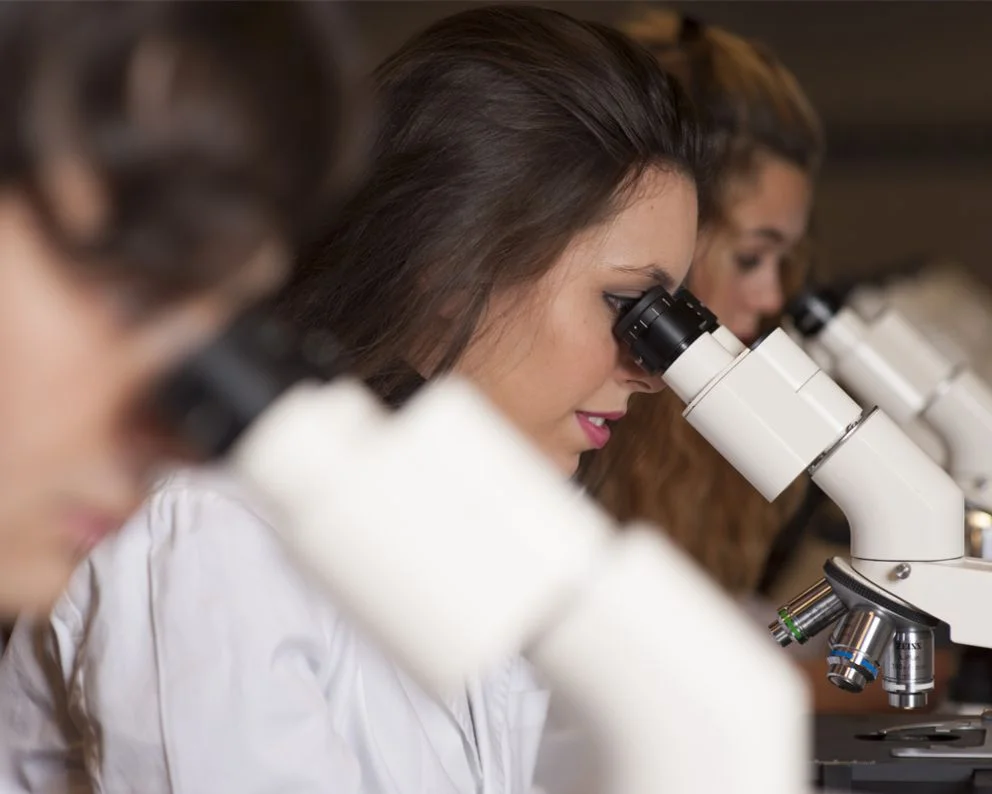
Dental residency programmes (covering Oral Surgery, Orthodontics and Paediatric Dentistry) operate under different rules from medical residencies. They last three years (180 ECTS credits), entry is through a competitive examination based on qualifications and tests, and places are allocated annually by the MUR through a distribution decree that sets the intake capacity of each accredited university. These programmes fall under the category of non-medical specialisations, and until academic year 2024–2025 their students received no scholarship. That is why the change introduced by the 2025 Budget Law (4,773 euros gross annually, from 2025–2026) carries proportionally greater weight for this group than for medical residents, who were already entitled to a grant.
The critical bottleneck is as much procedural as structural: calls for applications are published before the ministerial decree sets the final number of places, creating an uncertainty that slows down the enrolment process. The dialogue between universities, the SSN and the ministry in the technical working groups is partly aimed at making this cycle more predictable.
What This Means for Students at UniSR
UniSR trains doctors and dentists in an environment where university education and clinical practice are integrated on the same campus. Proximity to San Raffaele Hospital, one of Italy's leading centres for research and patient care, is not merely a logistical convenience. Students encounter real clinical complexity during their degree, before they ever begin a residency. Strengthening the connection between university training networks and SSN facilities is, in fact, one of the stated objectives of the broader reform process.
The working groups will continue to meet in the coming months. For anyone considering a postgraduate path in medicine or dentistry, tracking this process is a way to understand, ahead of time, the system they will be entering.
You might be interested in

One year, thousands of stories: UniSR celebrates its 2025 graduates

In memory of Professor Claudio Bordignon

UniSR designated as WHO tuberculosis research centre: what we will do together