All the news

ERC Proof of Concept 2026: Boletta and Iannacone among the winners

30 June 2026
Research

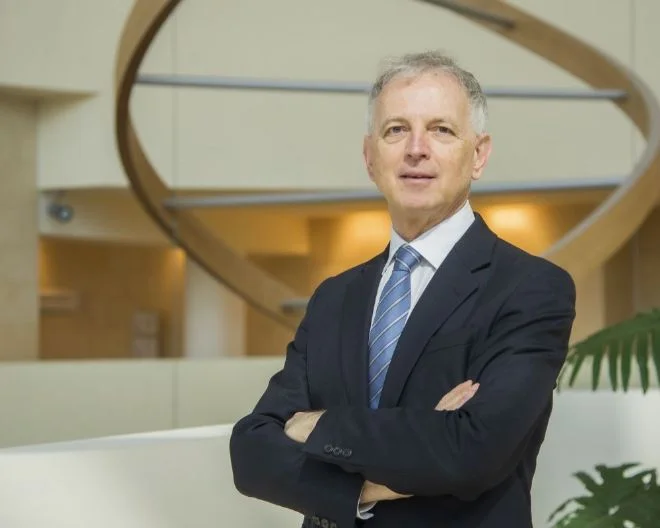
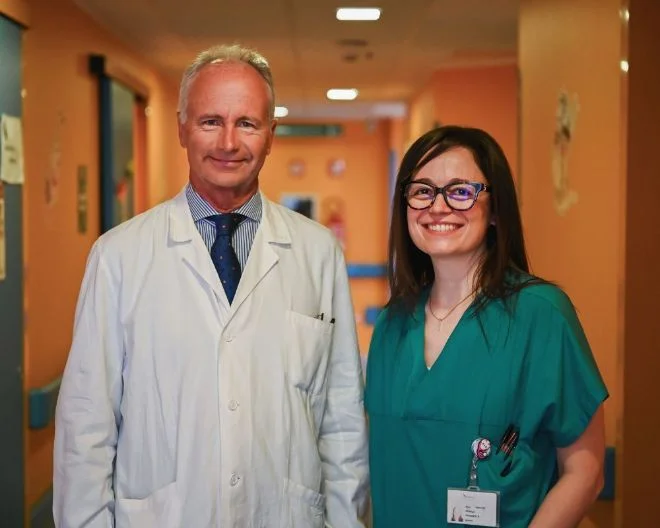
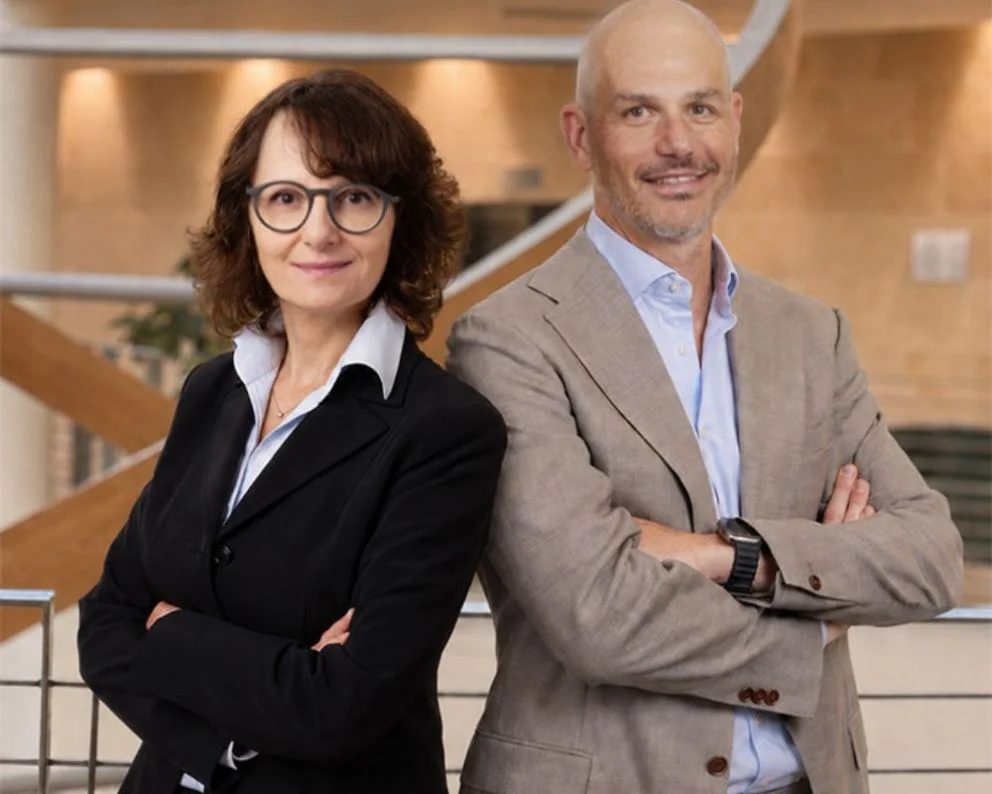
The ERC Proof of Concept programme (PoC) aims to support the development of ERC-funded ideas, promoting the transition from frontier research to innovation. The European Research Council (ERC) has announced the winners of the first round of the 2026 PoC grants: among them are Alessandra Boletta, Group Leader of the Cystic Kidney Disorders Unit of IRCCS Ospedale San Raffaele, and Matteo Iannacone, Professor of Pathology at the Vita-Salute San Raffaele University, Director of the Institute of Immunology and Infectious Diseases and Group Leader of the Dynamics of Immune Responses Unit of IRCCS Ospedale San Raffaele.

How the ERC Proof of Concept programme works

The ERC PoC initiative is open to researchers who already hold ERC funding and supports them in translating their scientific results into concrete, real-world applications. The grant covers activities not included in the original project, with the goal of testing the practical potential of ERC-funded research.

OSR and UniSR: 39 ERC grants since 2007

Dr. Boletta and Prof. Iannacone are both recipients of an ERC Advanced Grant awarded in 2023 and will now each receive an additional ERC PoC grant of €150,000 for a period of 18 months.

In this first round of 2026, the ERC evaluated 554 proposals, selecting 182 for a total amount of €27,3 million. Of these, 37% are dedicated to research in Life Sciences. Italy was awarded 18 ERC Proof of Concept grants, including the 2 won by Dr. Boletta and Prof. Iannacone.

Dr. Boletta and Prof. Iannacone's projects join the numerous grants already obtained by OSR and UniSR researchers, bringing to 39 the total number of ERC-funded projects since 2007, the year the European Research Council was launched.

The role of primary cilia in Polycystic Kidney Disease

Kidney Disease (PKD) is a common inherited disorder and a major cause of kidney failure. It causes normally tiny little structures called tubules to balloon out and form fluid-filled cysts.  Their slow, but relentless growth gradually causes renal functional decline.  PKD is part of a group of diseases called ciliopathies, because they are caused by defects in primary cilia, tiny little antennae on the surface of cells that help sensing the environment.

The research team of Dr. Boletta uncovered a new role for primary cilia in controlling cell metabolism. They found that cilia can sense the nutrient glutamine and regulate energy production in mitochondria, the powerplants of cells. Thanks to the project QtCilia, winner of a previous ERC Advanced Grant in 2023, the research group identified the enzyme asparagine synthetase (ASNS) as a key player in this process and also demonstrated that its silencing in vivo retards disease progression in animal models.

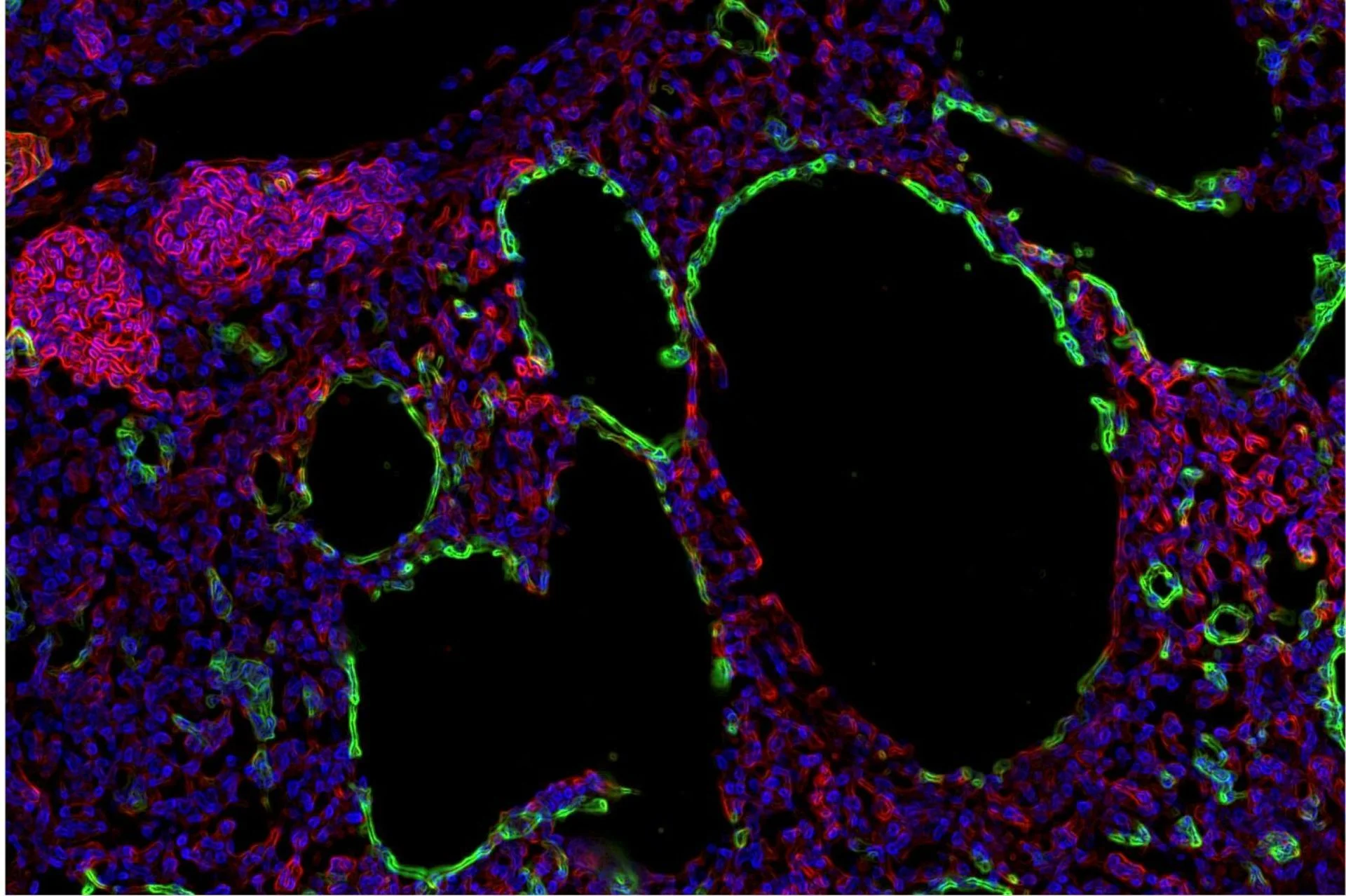
Kidney Cysts: A PKD murine section carrying GFP in mutant cells and RFP in WT cells was imaged using ImageXpress (Molecular Devices). Channels were merged using FiJi (ImageJ), imported in powerpoint and the tool “artistic effect” was applied. Credits: Dr. Sara Clerici

Searching for treatments for ciliopathies

The new ERC PoC project, “Targeting Glutamine (Q) Metabolism in the Renal Ciliopathies” (QrCiliopathies), in collaboration with the Centre for Drug Design and Discovery CD3 (KU Leuven, Belgium), will support the development and test new drugs that block ASNS in cellular and animal models of PKD. By targeting this newly discovered metabolic weakness, the project could pave the way for innovative treatments for PKD and related cilia-related diseases.

This project represents an important and exciting step for me. I have been working on cystic kidney diseases for nearly thirty years” Boletta says. “If the ERC Advanced Grant had brought significant international recognition to the project, along with substantial funding to carry out basic research on hereditary kidney diseases, this project pushes us further towards finding a cure. It brings us back to the core of our primary mission: to provide answers to patients. It is further proof that excellent basic research yields important outcomes in translational medicine. This concept also aligns well with our hospital’s motto: “There is no cure without research.” Indeed, without understanding the molecular basis of diseases, it is impossible to develop new therapies. 

mRNA immunotherapies for liver cancer

The ERC Proof of Concept project “Liver mRNA-based immunotherapies” (LiveRNA) will support the development of a new generation of mRNA-based immunotherapies for the treatment of liver cancer. While mRNA technologies have become widely known through vaccines, their potential extends far beyond infectious diseases. LiveRNA builds on more than fifteen years of research that have shed light on how the liver can induce states of immune dysfunction that compromise the immune system's ability to respond to the tumour — and have identified strategies to restore its activity.The goal is to use mRNA to selectively deliver immune-modulating instructions to the liver, reactivating both innate and adaptive immunity and restoring the body’s natural ability to recognize and eliminate cancer cells.

The journey behind the discovery

This latest achievement represents the culmination of a scientific programme supported by the ERC for more than fifteen years through a Starting Grant, a Consolidator Grant, an Advanced Grant, and now three Proof of Concept Grants. This long-term support has enabled Prof. Iannacone’s research team to uncover how immune cells become dysfunctional within the liver and to identify strategies capable of restoring their activity. These studies have also helped establish the liver as a model for understanding how immune responses are organized within tissues and how local tissue environments shape immunity in chronic diseases and cancer.

LiveRNA combines two complementary approaches: one reawakens innate immune sensing within tumor cells, while the other restores the function of anti-tumor T cells.

2-ERC Proof of Concept 2026

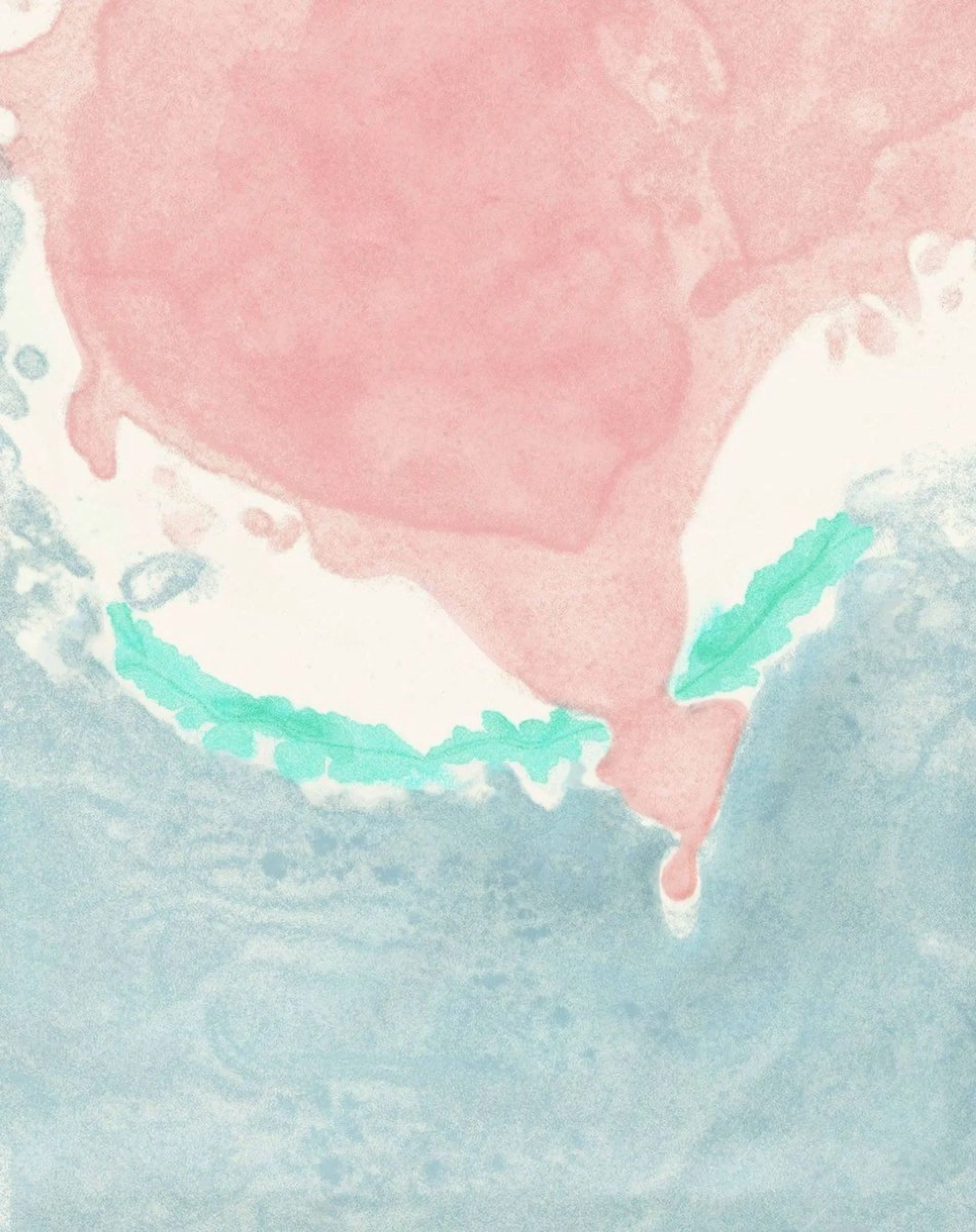
Artistic rendering of liver tumor. Credits: Prof. Matteo Iannacone

Turning immunotherapy-resistant tumours into treatable ones

These technologies aim to convert tumors that are currently resistant to immunotherapy into tumors that can be effectively controlled by the immune system. Beyond liver cancer, this work could establish a broader platform for developing mRNA-based therapies against other cancers and chronic diseases.

 Receiving this ERC Proof of Concept Grant is particularly meaningful because it represents the latest step in a scientific journey that began with my ERC Starting Grant in 2011. Over the past fifteen years, ERC support has allowed us to pursue ambitious, curiosity-driven research aimed at understanding how immune responses are organized within tissues and how they fail in chronic diseases and cancer. What makes this award especially rewarding is that it closes a circle: discoveries that originally emerged from fundamental immunology are now being translated into a potential therapeutic strategy for patients with liver cancer. In many ways, LiveRNA illustrates the unique value of long-term investment in frontier research. It demonstrates how sustained support for basic science can generate entirely new concepts and, ultimately, create tangible opportunities for clinical innovation. This recognition also belongs to the many students, postdoctoral fellows, and collaborators who have contributed to this work over the years.

says Iannacone. 

About the winners

Alessandra Boletta obtained a degree in Biology in Italy and carried out postgraduate studies in the UK and USA, carrying out her postdoctoral training at the Johns Hopkins University. She returned to Italy thanks to a Telethon career (2002-2012) at the IRCCS Ospedale San Raffaele, where she has been Director of the Division of genetics and Cell Biology (2014-2019). She works on renal genetic disorders including ciliopathies and renal cancers. She received multiple international recognitions.

Previous ERC Grant: ERC Advanced Grant 2023 (“QtCilia” project).

Matteo Iannacone obtained a M.D. degree from the University of Milan, followed by a residency in Internal Medicine and a Ph.D. in Immunology from Vita-Salute San Raffaele University. He trained as a postdoctoral fellow at The Scripps Research Institute, La Jolla, CA and at Harvard Medical School, Boston, MA. He is currently Professor of Pathology at Vita-Salute San Raffaele University and Director of the Institute of Immunology and Infectious Diseases at the IRCCS Ospedale San Raffaele. He is an EMBO member and ERC Grantee whose research focuses on tissue immunity, liver immunology and innovative immunotherapies.

Previous ERC Grants: ERC Starting Grant in 2011 (“IVM-VIRUS-nAb” project), ERC Consolidator Grant in 2016 (“FATE” project), two ERC Proof of Concept in 2020 and 2023 (“2LIVEr” and “S-CAM” projects) and ERC Advanced Grant in 2023 (“EUCLIDEAN” project).

Share news

You might be interested in

Neuromyelitis optica: allogeneic haematopoietic stem cell transplantation keeps the disease at bay
Research29 June 2026
Neuromyelitis optica: allogeneic haematopoietic stem cell transplantation keeps the disease at bay
UniSR PhD Courses 2025-2026
Research22 May 2026
UniSR PhD Courses 2025-2026
UniSR designated as WHO tuberculosis research centre: what we will do together
The University23 March 2026
UniSR designated as WHO tuberculosis research centre: what we will do together
World Rare Disease Day: Research at UniSR Continues All Year Round
Research28 February 2026
World Rare Disease Day: Research at UniSR Continues All Year Round