Wiskott-Aldrich syndrome: a new therapy corrects the genetic defect at the root of the disease
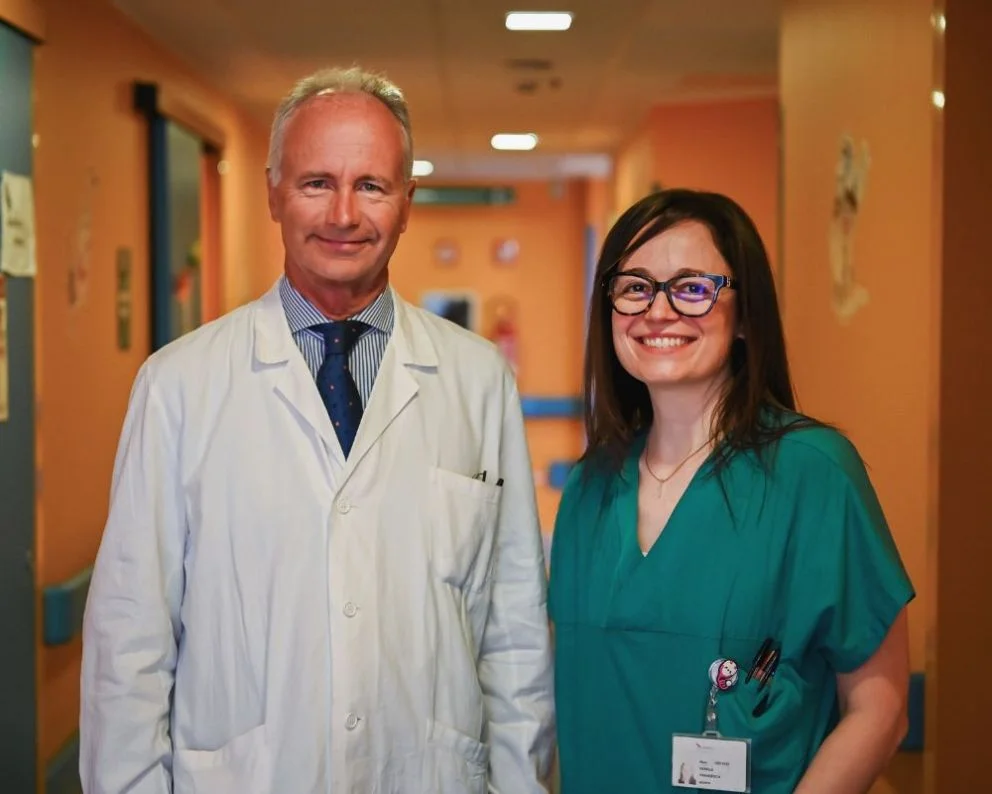
A new therapy has corrected the genetic defect underlying Wiskott-Aldrich syndrome, a rare disorder of the immune system, in 27 patients, reducing the severe infections and bleeding typical of the disease over the long term. The findings were published in the New England Journal of Medicine by Professor Alessandro Aiuti, Full Professor of Paediatrics at Vita-Salute San Raffaele University (UniSR), Head of Paediatric Immunohaematology at IRCCS San Raffaele Hospital and Deputy Director of the San Raffaele Telethon Institute for Gene Therapy (SR-Tiget). Dr Francesca Ferrua, a UniSR alumna and paediatrician in the Paediatric Immunohaematology Unit at IRCCS San Raffaele Hospital and in the SR-Tiget Clinical Unit, is also an author of the study.
This achievement is the result of a collaboration between SR-Tiget and the Paediatric Immunohaematology and Bone Marrow Transplantation Unit at IRCCS San Raffaele Hospital. The therapy, whose marketing authorisation holder is Fondazione Telethon, was approved for marketing in the United States in December 2025 and in the European Union in January 2026.
What is Wiskott-Aldrich syndrome
In Wiskott-Aldrich syndrome, the WAS gene is mutated. This gene provides the instructions for producing WASP, a protein of the cytoskeleton, the internal scaffolding of the cell. The genetic defect results in abnormalities of the immune system and of platelets, the cells responsible for blood clotting. The disease mainly affects males, with an incidence of 4 new cases per million live births. It presents with severe infections, recurrent bleeding, autoimmune and autoinflammatory complications, eczema and an increased risk of developing blood cancers.
The supportive treatments currently available for Wiskott-Aldrich syndrome, such as antimicrobial prophylaxis, immunoglobulins, immunosuppressants and platelet transfusions, can keep some symptoms under control, but they do not correct the genetic defect underlying the disease. Until recently, the only potentially curative treatment was allogeneic haematopoietic stem cell transplantation, in which stem cells from a compatible donor produce new, functioning blood cells. Allogeneic transplantation, however, is only possible when a compatible donor is available. It also carries some risks, including infection, rejection and graft-versus-host disease, a complication in which the transplanted cells attack the patient’s healthy tissues.
How the new gene therapy works
The therapy described in the published study corrects the genetic defect underlying Wiskott-Aldrich syndrome by restoring the expression of a functional WASP protein. It uses a lentiviral vector to introduce one or more correct copies of the WAS gene into blood stem cells collected from the patient.
A lentiviral vector is a safe and effective “vehicle” derived from inactivated HIV. It delivers to the cells collected from the patient the instructions for producing the correct copy of the gene, which is integrated into their DNA. The stem cells engineered in this way are then reinfused into the patient after reduced-intensity chemotherapy, which removes the diseased cells and makes room for the corrected ones. These go on to produce new, functioning blood cells.
In the 27 patients who received a single infusion of the therapy etuvetidigene autotemcel, the corrected cells engrafted stably, leading to improved immune function and a significant, long-term reduction in bleeding and severe infections. Patients were followed up for a median of 5.7 years, and some of them for 13 years. Survival was 96% at both 1 and 5 years after the infusion. After 3 years, none of the people treated for Wiskott-Aldrich syndrome still needed to live in a protective environment, 80% were able to attend school and around half could take part in sport. By the last follow-up visit, all had stopped supportive immunoglobulin therapy. No adverse events related to the gene therapy were observed.
These results are an important step in the history of gene therapy for Wiskott-Aldrich syndrome. Long-term follow-up shows us that a single infusion of genetically corrected haematopoietic stem cells can translate into a stable clinical benefit, reducing complications that deeply affect the lives of patients and their families and so improving their quality of life,
says Dr Francesca Ferrua, first author of the study.
Looking ahead, this experience points to a possible way of making advanced therapies available even for diseases so rare that they risk falling outside the traditional logic of pharmaceutical development. For families living with Wiskott-Aldrich syndrome, and for many other patient communities still without a cure, the path that began at SR-Tiget in Milan shows how research can become a real possibility when scientific innovation, clinical care and responsibility towards patients remain part of the same project,
adds Professor Aiuti.
A message to the UniSR community: why basic research matters
The story of gene therapy for Wiskott-Aldrich syndrome is an example of how basic research, over the long term, can bring real change to people’s lives. The first studies that clarified the genetic basis of the disease and the work that made it possible to develop lentiviral vector technology span a period of at least 25 years.
In research, some people study the molecular mechanisms of a disease, others develop and optimise technologies such as viral vectors, and still others work on experimental models far from the clinic to test technologies, protocols and therapies. All of these people, working out of the spotlight, lay the foundations for future therapies that change people’s lives. It takes years, commitment and dedication, but research, when it is guided by sound scientific questions, is the engine of innovation,
concludes Professor Aiuti.
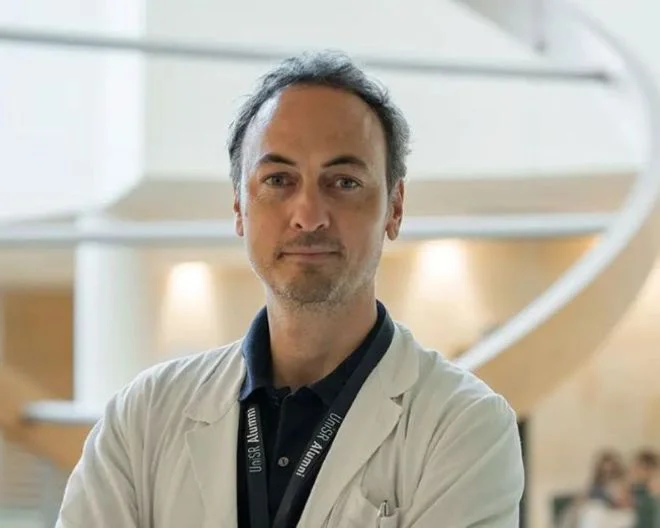
About Professor Alessandro Aiuti
Alessandro Aiuti is Full Professor of Paediatrics at Vita-Salute San Raffaele University, Head of Unit at IRCCS San Raffaele Hospital and Deputy Director of SR-Tiget. His clinical and research work is dedicated to developing gene and cell therapies for primary immunodeficiencies and other inherited diseases. He contributed to the studies on gene therapy for ADA-SCID, the first haematopoietic stem cell-based therapy to receive marketing authorisation. He led the development of etuvetidigene autotemcel, the first gene therapy for Wiskott-Aldrich syndrome to receive marketing authorisation in the European Union and the United States.
About Dr Francesca Ferrua
Francesca Ferrua is a paediatrician and staff physician in the Paediatric Immunohaematology Unit at IRCCS San Raffaele Hospital. She graduated in Medicine and Surgery from Vita-Salute San Raffaele University, where she also completed her residency in Paediatrics and the International PhD in Molecular Medicine. Together with Professor Aiuti, she has been involved from the outset in developing the protocols and clinical studies that led to the authorisation of the gene therapy etuvetidigene autotemcel for the treatment of Wiskott-Aldrich syndrome.
You might be interested in
JOIN4ATMP: the new video on ATMP development in Europe
Primary CNS Lymphoma: Trial Confirms Optimal Treatment Strategy
Complete Spinal Cord Injury: The Trunk Controls the Stimulator