Translational Medicine and the Impact of Research: The EUREKA Early Spring Meeting 2026

How can a discovery that has the potential to change people’s lives be fully realized? Which paths must medical research follow to be impactful? And which skills are needed by the future leaders in translational medicine?
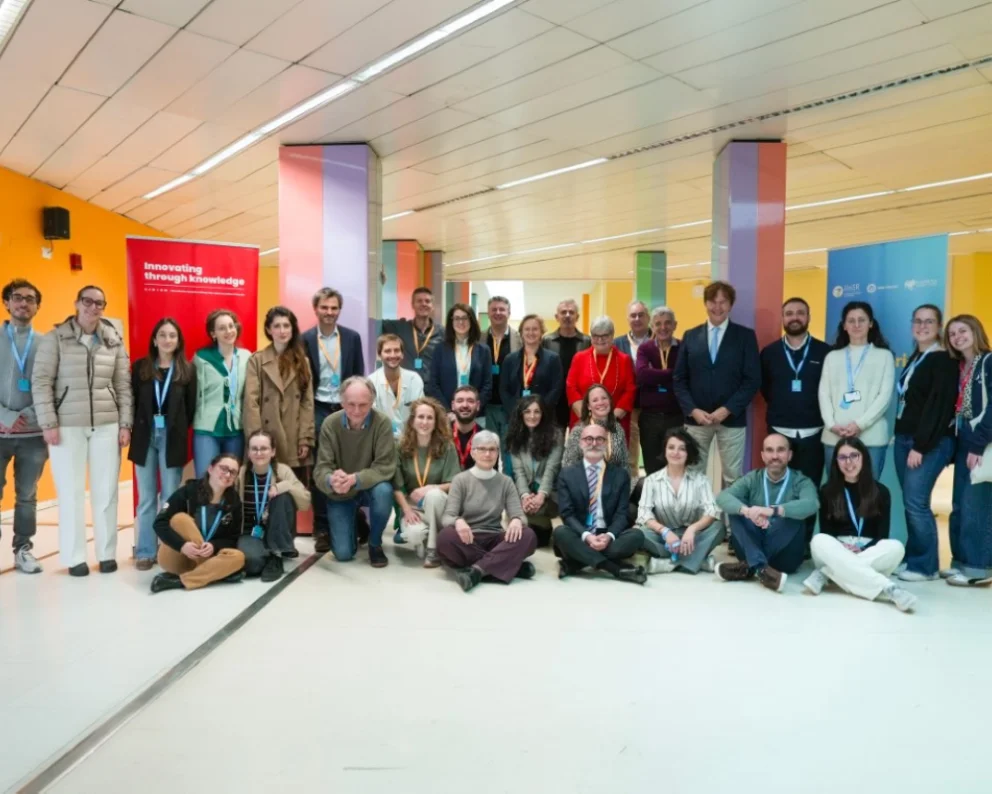
These were some of the key questions at the heart of “From Discovery to Impact,” the Early Spring Meeting held on March 5–6, which brought together researchers from Vita-Salute San Raffaele University and Utrecht University under the aegis of the EUREKA Institute for Translational Medicine.
From molecules to people: innovation and responsibility in research
During the event, Professors Luigi Naldini, Maria Ester Bernardo, and Fabio Ciceri shared their research experiences that led to the development of new therapies in molecular and precision medicine, rare genetic diseases, and oncology.
Their testimonies provided concrete examples of the core values of translational medicine: vision, strategic thinking, and the ability to engage with multiple stakeholders.
Alongside the scientific aspects, a broader reflection also emerged on the role of research in society.
The talks by Professor Massimo Reichlin, Dean of the Faculty of Philosophy, and Professor Carlo Martini introduced key principles of bioethics in research and a vision of science as a collective endeavor that requires an understanding of the mechanisms of misinformation and disinformation in order to communicate effectively with society.
The future of education in translational medicine
The second day of the Early Spring Meeting was dedicated to education. The discussion highlighted how knowledge, relationships, and communication must be complemented by equally crucial skills such as empathy and creativity.
Professor Chiara Di Resta emphasized the value of creativity and time devoted to reflection in fostering curiosity and critical thinking among students.
Professor Andrea Fossati, Dean of the UniSR Faculty of Psychology, offered a perspective on the psychology of leadership, highlighting the role of personal and relational dimensions in innovation processes.
The contribution of colleagues from Utrecht University further enriched the pedagogical discussion through the sharing of their research experiences and their approach to teaching aimed at training the translational researchers of the future.
Taken together, these perspectives outline the profile of researchers who move beyond the traditional image of the isolated scientist at the laboratory bench: professionals capable of combining scientific excellence with communication, leadership, and relational skills, in line with the values of UniSR education and research, which place mind, body, and soul at the center.
Looking ahead
The reflections that emerged during the Early Spring Meeting will feed into the new International Master in Translational Medicine, currently being developed for the 2026–2027 academic year and presented during the event by Professor Chiara Bonini and Salvatore Albani, Professor of Medicine and Pediatrics at the Duke-NUS Medical School of Singapore and among the promoters of the educational activities of the Eureka Institute for Translational Medicine.
The program is designed to train the next generation of leaders in translational research, capable of transforming scientific discoveries into concrete solutions for people.
You might be interested in
/resolutions/res-c660x528/Pensa_Aorta_Congresso_UniSR-(3).png)
UniSR hosts the launch of the “Pensa all'Aorta” campaign

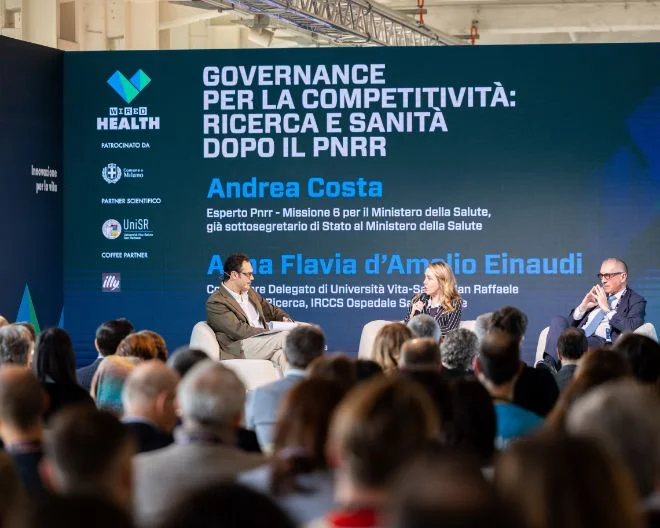
Salute e tecnologia: UniSR partner scientifico di Wired Health

UniSR Vascular Surgery Grand Rounds Ed. 2024